Review · 2001
Monster’s Ball — Generational Damage and the Cost of Becoming Better
My rating7/10
Monster’s Ball is the first movie I’ve watched this year that left me truly emotionally confused. Not in a "did I like it?" way - but in a way that made me sit with it longer than I expected.
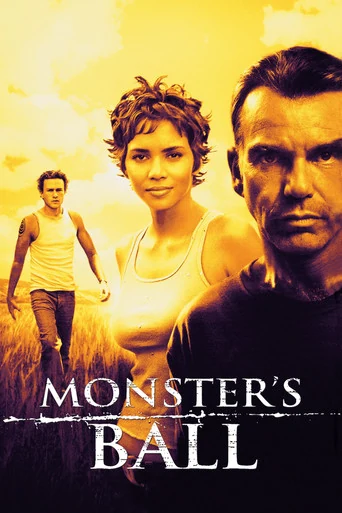
After the early scenes between Sonny Grotowski (Heath Ledger - The Patriot (2000), A Knight’s Tale (2001)) and Hank Grotowski (Billy Bob Thornton - Sling Blade (1996), A Simple Plan (1998)), I didn’t think I could ever turn the corner on my perception of Hank. That dynamic is heavy. Cold. Almost unforgivable. And yet, somewhere along the way, I think I did turn the corner - which is what makes the film so unsettling.
To me, this is a story about generational trauma. Three men, three levels of damage. Buck Grotowski (Peter Boyle - Young Frankenstein (1974), Everybody Loves Raymond (1996-2005)) is the clearest embodiment of it. My instant association with Peter Boyle is Frank Barone from Everybody Loves Raymond, being a 2000s TV junkie. Watching him here felt like seeing Frank if you stripped away every joke and left only the bitterness. It’s almost like he was playing Frank Romano in this movie - but if Frank were truly an asshole without the comedy.
What complicates everything is that generational trauma is rarely the fault of just one person. When you look at Buck, then Hank, then Sonny, you see improvement in every generation. The cruelty lessens. The self-awareness grows. But maybe sometimes improvement isn’t enough. Maybe sometimes it’s too late. That’s where my confusion comes in. I hate that it took such a significant loss for Hank to start becoming a more respectable human being. Growth that arrives only after destruction feels earned - but tragic.
Leticia Musgrove (Halle Berry - Die Another Day (2002), Gothika (2003)) really shined in this film - and rightfully so, given her Academy Award win for Best Actress for this performance. At the time, Berry was already a recognizable Hollywood presence - known for her beauty and mainstream roles - but this film changed how she was viewed. She became the first Black woman to win the Academy Award for Best Actress in a leading role. Watching the performance now, you understand why. It isn’t glamorous. It isn’t protected. It’s vulnerable in a way that feels exposed.
She’s beautiful but completely broken, navigating grief, poverty, racism, and motherhood in a brutally short span of time. Her performance never feels staged. It feels raw.
The scene that stood out most to me wasn’t even the infamous one - it was the drinking scene the first night she and Hank connect. Before things turn heated, her drunk rambling feels painfully real. It’s the kind of late-night vulnerability you’ve heard in bars before - messy, repetitive, honest in a way that’s uncomfortable. That moment felt less like acting and more like eavesdropping on something you weren’t supposed to hear.
Monster’s Ball doesn’t give you clean redemption. It gives you damaged people trying to feel something other than pain. It forces you to wrestle with whether becoming better later in life balances out who you were before.
And it leaves you sitting in that discomfort - unsure whether to forgive, but aware that change, however late, is still change.