Review · 1981
ThiefControl, Obsession, and Missing the Finish Line
My rating6/10
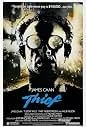
Thief stayed with me less because of the heists than because of what it says about end goals-and the damage people are willing to accept in pursuit of them. Frank (James Caan) is a professional thief who believes control is the same thing as freedom. Every lock, every timer, every plan is proof that life can be managed if you're disciplined enough. What he never quite sees is that the thing he's working toward is already in front of him.
Jessie (Tuesday Weld) offers Frank a peaceful life-quiet, domestic, uncomplicated in the way he claims to want. She's not asking him to give up his edge, just to stop mistaking struggle for purpose. And yet Frank can't accept it. Peace feels unearned to him. If it isn't taken the hard way, it doesn't count. So he keeps pushing, keeps escalating, and puts himself in a position where losing everything becomes the only possible outcome.
That conflict hit closer to home than I expected. Watching Frank, I felt an uncomfortable recognition in how easy it is to overlook what you already have while staying fixated on what you think you're chasing. The belief that satisfaction only comes after one more win, one more proof point, one more hard-earned milestone. The film doesn't judge that instinct-but it does show the cost of letting it run unchecked.
The story reminded me of the parable of the Mexican fisherman. A businessman tells a fisherman to work harder, expand, and grow so that one day he can retire and enjoy life. When asked what he'd do then, the answer is simple: relax, spend time with family, enjoy the days. The fisherman replies that he's already doing exactly that. Frank never realizes he's already at the finish line. He's too busy convincing himself the race isn't over yet.
James Caan is the reason this works as well as it does. Coming out of a dominant run in the 1970s-The Godfather (1972), The Gambler (1974), Rollerball (1975)-he carries the kind of contained intensity that made audiences lock in on him during that decade. He doesn't oversell Frank's volatility. It sits behind the eyes, waiting, which makes both his competence and his self-destruction believable.
From a modern perspective, some of the mechanics of being a thief feel dated. The technology and methods don't fully hold up in 2026, and it's hard not to notice. It's not really a fair critique given when the film was made, and once you accept that the technical details are a framework rather than the point, the story still pulls you in. The process matters more than the plausibility.
Jim Belushi popping up here also stood out, especially since he's appeared in several films I've watched recently. Seeing him again reinforces how often he fits naturally into these worlds-operating on the edges of systems, close enough to feel the consequences but never fully insulated from them.
First published on IMDb. Original IMDb review ↗