Review · 2006
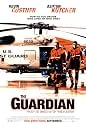
The GuardianThe Impossible Math of Saving Lives
My rating8/10
The Guardian surprised me. I went in expecting a Coast Guard version of Top Gun - elite training, cocky recruit, hardened veteran, emotional turbulence, and someone learning that confidence is not the same thing as character. On the surface, that is partly what it is. But the movie works because it takes that familiar training-film structure and gives the relationships enough weight to make the formula feel earned.
Ben Randall (Kevin Costner - The Untouchables, Field of Dreams, Dances with Wolves) is the centre of the film, and by this point in his career Costner had already moved through the full movie-star arc: the late-80s and early-90s run, the Oscar success, the action-hero years, and the more weathered elder-statesman roles. Here, that mileage helps him. Randall feels like a man carrying too many ghosts, someone whose authority comes less from speeches and more from everything he has survived.
Jake Fischer (Ashton Kutcher - That '70s Show, The Butterfly Effect) could have easily been played as just the young hotshot, but the movie gives him enough pain underneath the confidence to make the mentor-mentee dynamic land. The relationship between Jake and Randall becomes almost father-son without the film needing to underline it too heavily. Randall sees the talent, but he also sees the recklessness. Jake sees the legend, then slowly starts to understand the cost behind it.
That cost is where the movie finds its real weight. The one-liners in The Guardian are theatrical in the best way - not realistic, exactly, but clean, memorable, and built for the kind of movie that wants emotion to land directly. The strongest exchange is the one about Randall's number. Jake asks, "What's your real number?" Randall answers, "22." Jake pushes back: "22? That's not bad. It's not 200 but..." Then Randall corrects the entire meaning of the conversation: "22 is the number of people I lost, Jake. The only number I kept track of." That is the movie right there. Not the saves. The losses.
Near the end, when Jake asks how you choose who lives when you can't save them all, the line lands because the film has spent the whole runtime earning it. On paper, it is a simple question. In context, it becomes the whole burden of the job. The training, the guilt, the rescues, the impossible standards these people carry - all of it comes down to that brutal truth. Some jobs do not give you clean victories. They only give you decisions you have to live with.
The supporting relationships help keep the film grounded. Emily Thomas (Melissa Sagemiller - Get Over It, Sorority Boys) gives Jake's story a human counterweight, making his ambition feel less abstract. Hodge (Brian Geraghty - The Hurt Locker, Flight) adds the underdog thread, coming back for a third attempt and giving the training side more heart than just competition.
And then there is Carl Billings (Omari Hardwick - Power, Army of the Dead), who completely slipped by me at first. I did not realize it was him until later, which is funny because I love Power. Apparently Ghost was already preparing for a life of impossible choices long before Truth nightclub, except this time the danger involved open water instead of Tommy causing problems every six minutes.
The bar scenes also do more work than expected. They make the world feel social, ordinary, and recognizable, even though the training and rescue work being shown is anything but ordinary. That contrast is part of what makes the movie relatable. These men and women joke, drink, flirt, and carry on like anyone else - then step into situations most people would never survive, let alone choose.
I also couldn't help thinking about the Hurricane Katrina references. They give the movie an extra layer because this is not some distant Hollywood fantasy. This line of work is real. People actually do this. They go out when everyone else is trying to get away.
First published on IMDb. Original IMDb review ↗